
The Importance of Trauma‑Informed Practice in Social Work

Trauma‑informed practice is not a specialist add‑on — it is a fundamental approach that shapes how practitioners engage with children and families. Many individuals involved in social care have experienced adversity, loss or instability. These experiences can influence behaviour, communication and the ability to trust professionals. A trauma‑informed practitioner approaches each situation with curiosity rather […]
Cultural Sensitivity: Why It Matters in Assessment and Support
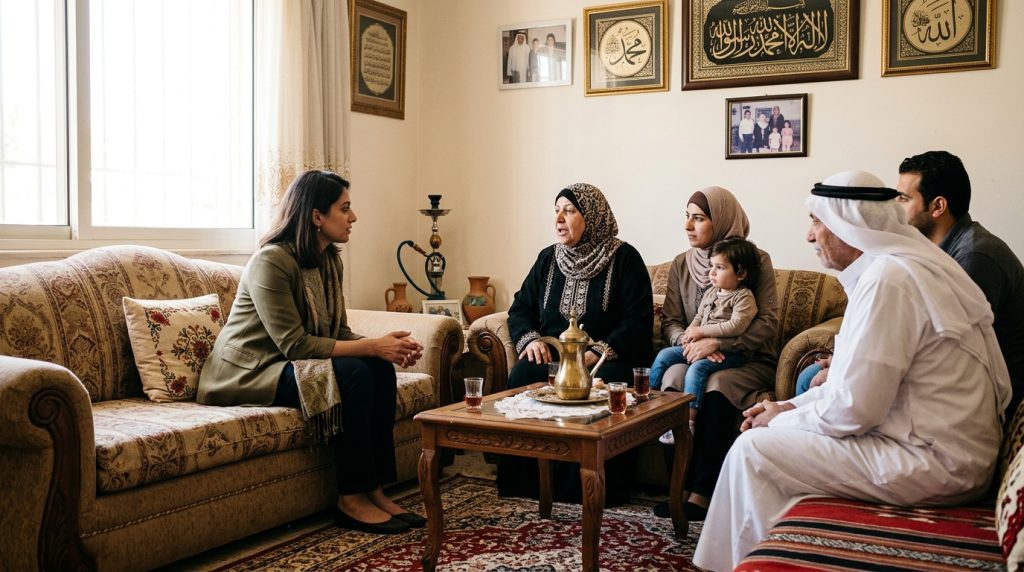
Every family brings its own culture, identity, language and lived experience. Cultural sensitivity ensures that these elements are respected, understood and meaningfully incorporated into assessment and support. Culturally sensitive practice begins with awareness. Practitioners recognise that their own cultural lens shapes how they interpret behaviour, communication and family dynamics. By approaching families with openness and […]
Clear, Evidence‑Based Reporting: Supporting Informed Decision‑Making

High‑quality reporting is essential in social work, particularly when decisions impact a child’s safety, stability and long‑term wellbeing. Clear, evidence‑based reports help courts and professionals understand the child’s lived experience, the family’s circumstances and the risks and protective factors present. A strong report begins with thorough information‑gathering. This includes direct observations, interviews, multi‑agency information and […]
Supporting Children Through Contact: Creating Safe, Meaningful Experiences

Contact plays a vital role in helping children maintain relationships with family members, rebuild trust and experience positive interactions in a safe environment. When delivered thoughtfully, contact can strengthen identity, support emotional wellbeing and provide children with a sense of continuity during periods of uncertainty. For many children, contact sessions are more than scheduled meetings […]