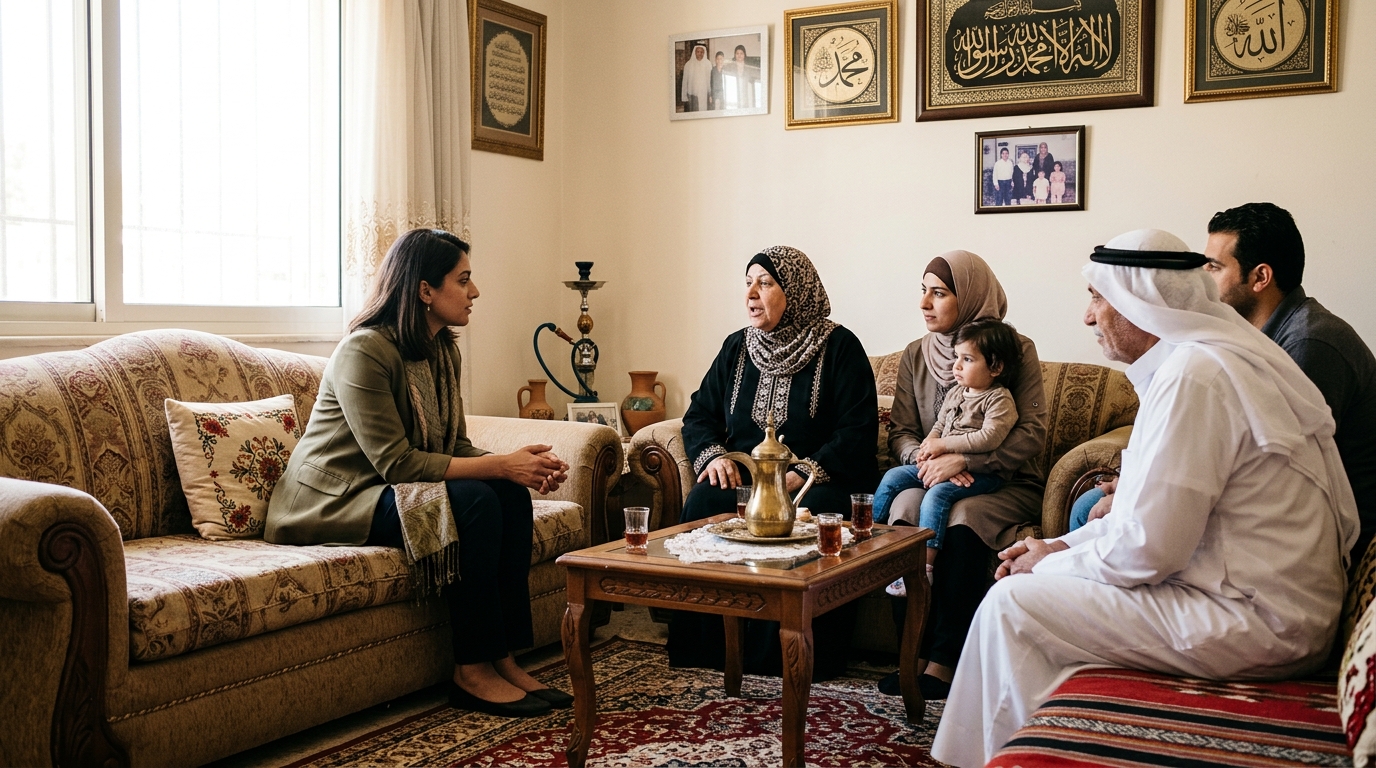
Every family brings its own culture, identity, language and lived experience. Cultural sensitivity ensures that these elements are respected, understood and meaningfully incorporated into assessment and support.
Culturally sensitive practice begins with awareness. Practitioners recognise that their own cultural lens shapes how they interpret behaviour, communication and family dynamics. By approaching families with openness and humility, practitioners create space for genuine understanding.
Language is a key factor. Clear communication — whether through interpreters, translated materials or culturally appropriate explanations — ensures that families can fully participate in the process. Misunderstandings are reduced, and families feel respected and included.
Cultural sensitivity also involves recognising strengths. Many families draw resilience from cultural traditions, extended family networks, community support or faith. These strengths should be acknowledged and reflected in assessments, as they contribute to a child’s stability and identity.
When practitioners understand cultural context, recommendations become more accurate and fair. For example, parenting styles, family roles or expressions of emotion may differ across cultures but still provide safe, nurturing care. Assessments that overlook these nuances risk misinterpreting behaviour or undervaluing protective factors.
Ultimately, culturally sensitive practice strengthens trust, improves engagement and leads to better outcomes for children. It ensures that families feel seen, respected and understood — and that decisions are grounded in a full appreciation of their identity and heritage.